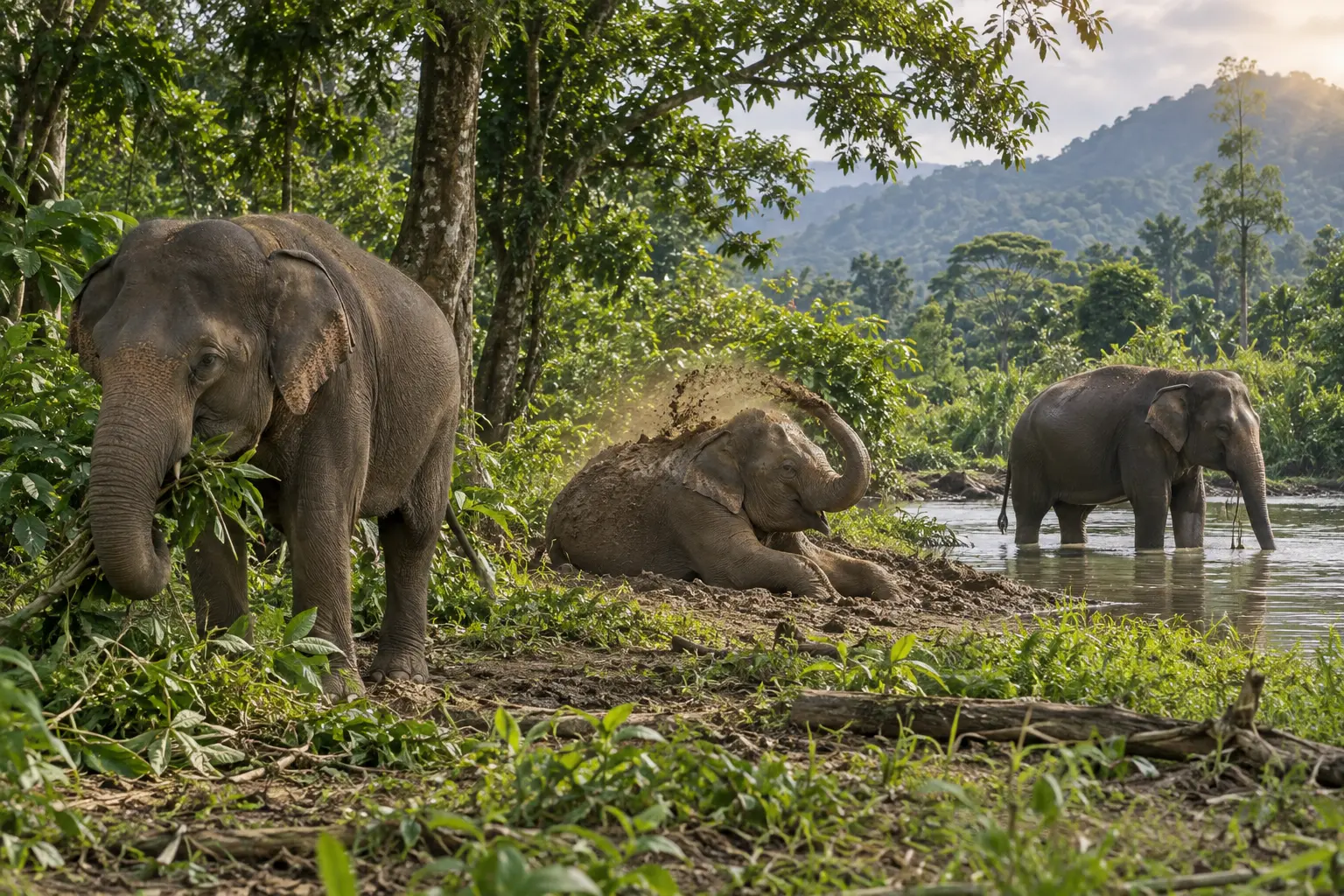
Indonesia has ordered elephant-riding displays to end at conservation institutions nationwide. The Ministry of Forestry’s conservation directorate issued Circular Letter No. 6 of 2025 on December 18, 2025, directing licensed facilities to stop both commercial and non-commercial riding displays. The change is now reshaping elephant tourism, particularly in Bali, while raising a larger question: what should responsible captive-elephant care look like after rides disappear?
Key takeaways
- Indonesia’s Directorate General of Natural Resources and Ecosystem Conservation issued Circular Letter No. 6 of 2025.
- The directive targets elephant-riding displays at conservation institutions across Indonesia.
- It covers commercial and non-commercial riding activities.
- Regional conservation agencies monitor compliance, and persistent violations may put operating permits at risk.
- Ending rides is a significant welfare change, but it does not automatically make every remaining elephant attraction ethical.
What exactly did Indonesia change?
The policy is formally titled Surat Edaran Nomor 6 Tahun 2025 tentang Penghentian Peragaan Gajah Tunggang di Lembaga Konservasi—Circular Letter No. 6 of 2025 concerning the cessation of elephant-riding displays at conservation institutions.
An official announcement from Indonesia’s Directorate General of Natural Resources and Ecosystem Conservation (KSDAE) says the circular was signed in Jakarta on December 18, 2025. It states that riding displays, whether conducted for commercial or non-commercial purposes, are no longer consistent with wildlife protection, ethics and animal-welfare principles.
This is more precise than simply saying that a new national law banned every imaginable use of elephants. The measure is an administrative circular directed at conservation institutions under the ministry’s oversight. Within that regulated sector, however, the instruction is nationwide and explicit: elephant-riding displays must stop.
How is the elephant-riding directive enforced?
Implementation is handled through the ministry and regional Natural Resources Conservation Agencies, known as BKSDA offices. These agencies supervise licensed conservation institutions and can issue warnings or recommend administrative sanctions.
Facilities that refuse to comply may face escalating consequences, including the possible revocation of their operating permits. That distinction matters: the circular does not describe an automatic, immediate permit cancellation for every violation, but it gives regulators a pathway to act when an institution continues the practice.
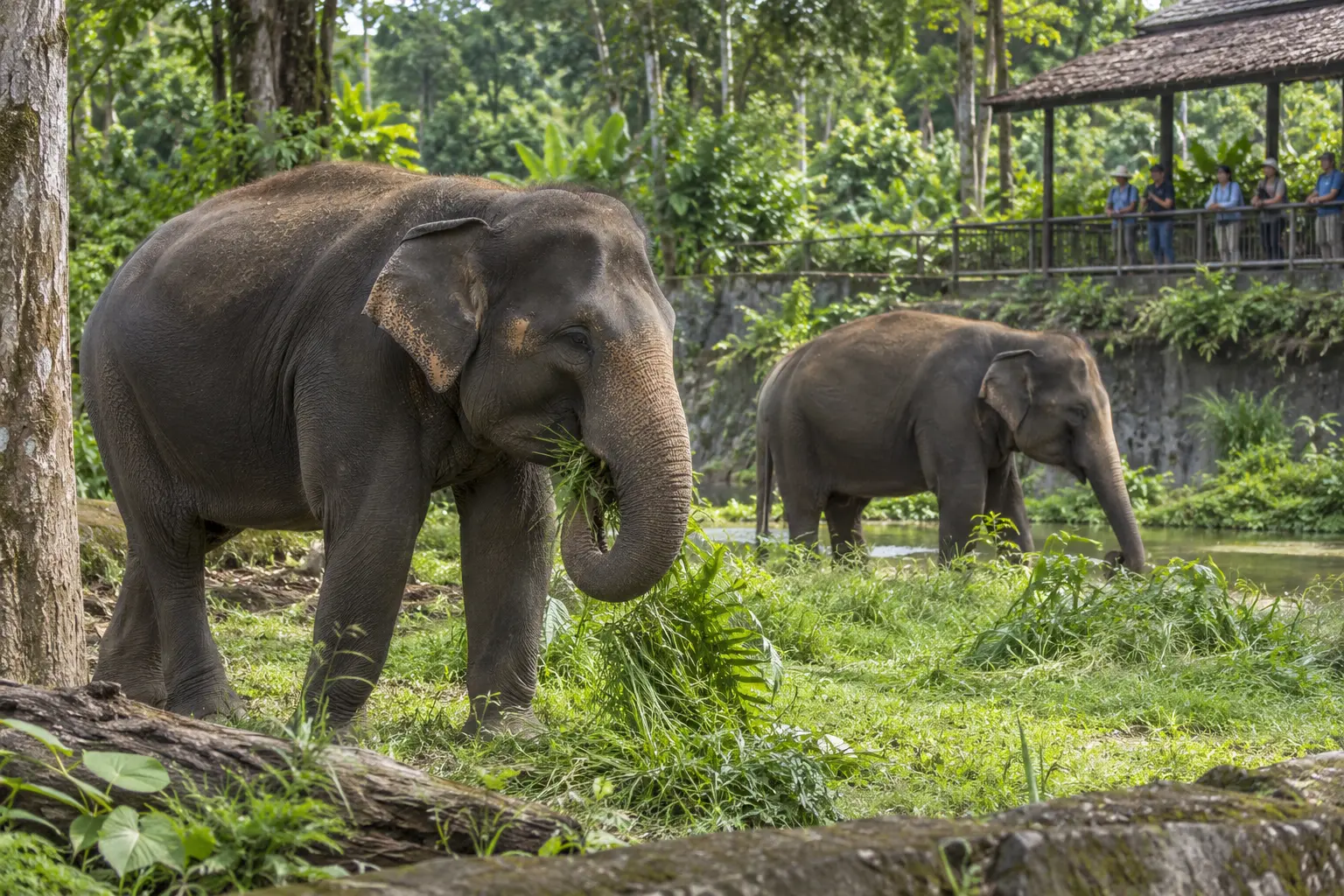
What happened at elephant attractions in Bali?
Bali became an early test of implementation because several licensed facilities keep Sumatran elephants and have historically offered visitor rides. Bali Zoo permanently stopped its riding program on January 1, 2026, citing compliance with the ministry circular and coordination with BKSDA Bali. The facility said it would redirect visitor activities toward daily care, conservation education and learning-focused experiences.
World Animal Protection reported that Mason Elephant Park, one of the last prominent Bali venues still offering rides, ended the activity on January 25, 2026 after official warnings. These closures show that the directive is not merely aspirational; it has already changed operations at major tourist facilities.
Why are elephant rides a welfare concern?
Elephant welfare cannot be judged by the presence or absence of a saddle alone. The larger concerns include how an elephant was trained, the amount of restraint used, opportunities for social contact, freedom of movement, diet, shade, veterinary care and whether the animal can perform species-typical behaviors.
A 2025 peer-reviewed assessment of Asian elephants in tourism reviewed conditions affecting thousands of elephants across hundreds of venues. It identified recurring welfare concerns such as severe restraint, limited nutritional variety, stressful visitor interactions and harmful control practices. The study supports evaluating the animal’s entire daily life rather than treating one visitor activity as the only measure of welfare.
Removing rides can reduce pressure to keep elephants continuously compliant for carrying visitors. It can also create more time for foraging, social interaction, bathing, dusting, exploration and rest—provided facilities genuinely redesign their management rather than simply replacing rides with other intensive close-contact attractions.