No reliable evidence shows that falling coconuts kill more people than sharks. The popular claim that coconuts cause 150 deaths each year is not supported by a global database or by the medical study commonly cited for it. Shark fatalities are counted systematically: nine unprovoked shark-bite deaths were confirmed worldwide in 2025, while no comparable worldwide coconut total exists.
Key takeaways
- The “150 coconut deaths per year” figure is unverified.
- A 1984 hospital study documented real coconut injuries, but it did not calculate a worldwide annual death toll.
- The International Shark Attack File confirmed 65 unprovoked bites and nine unprovoked fatalities worldwide in 2025.
- Falling coconuts can cause serious head injuries, so the myth should not be replaced with the claim that coconuts are harmless.
- Comparing an undocumented estimate with a monitored global total is statistically invalid.
Do coconuts kill more people than sharks?
We do not know. That is the most accurate answer. Shark bites are investigated by a long-running scientific database, but deaths caused specifically by falling coconuts are not collected in a standardized global registry. Without comparable datasets, nobody can responsibly rank the two hazards worldwide.
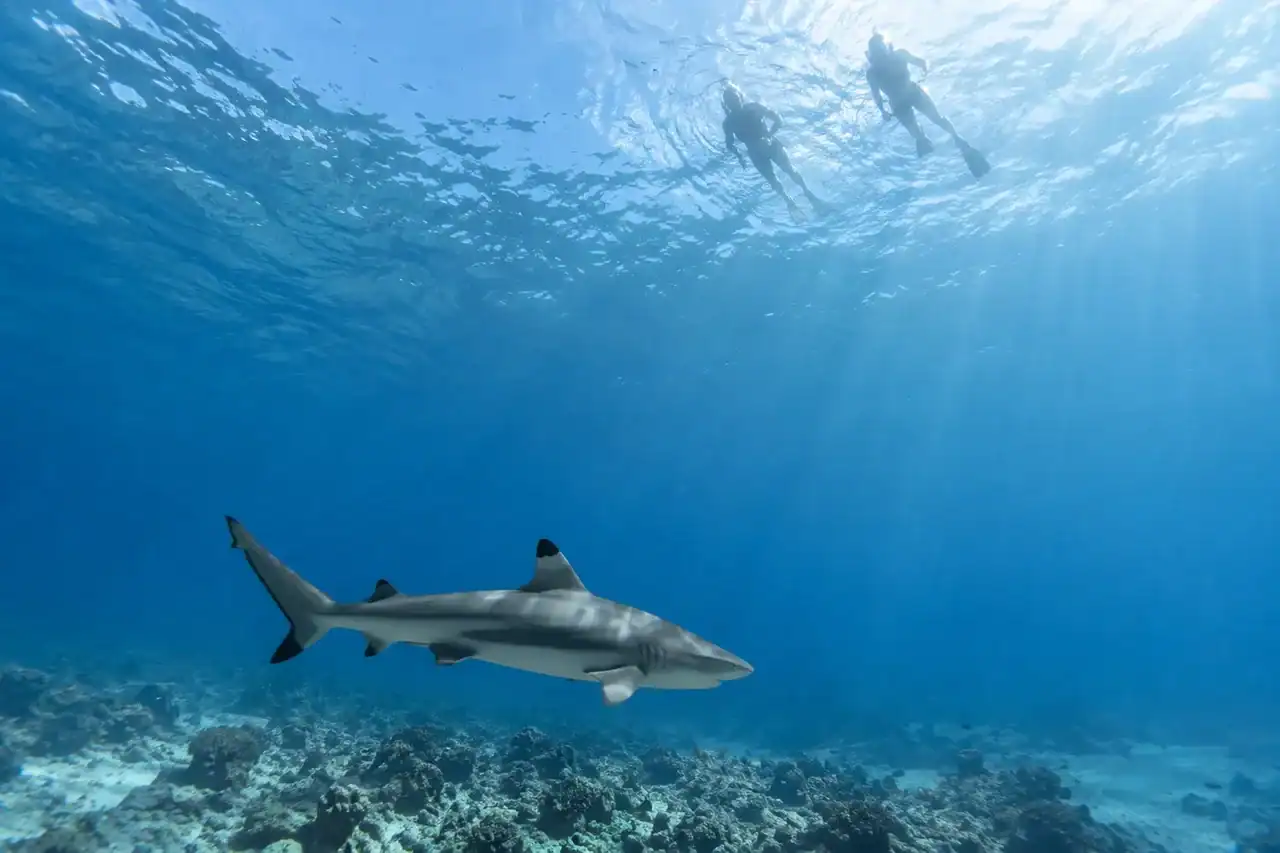
The latest annual report from the International Shark Attack File at the Florida Museum of Natural History recorded 65 confirmed unprovoked shark bites in 2025. Nine were fatal. The recent five-year average was eight unprovoked fatalities per year. Those figures can change annually, which is why a date and a clear definition matter.
Where did the 150 coconut deaths claim come from?
The number is often linked to physician Peter Barss and his 1984 paper, Injuries Due to Falling Coconuts. However, the paper’s PubMed record describes a local hospital study in Milne Bay Province, Papua New Guinea. It found that people struck by coconuts accounted for 2.5% of trauma admissions examined there and explained how impacts can injure the head, back and shoulders.
That is meaningful medical evidence of a regional hazard. It is not a worldwide mortality estimate. Extrapolating one hospital’s experience across every coconut-growing country would require population exposure, reporting rates, local harvesting practices and many other data the paper was not designed to provide.
Newer research confirms injuries—not the viral death total
A 2025 retrospective study examined 29 patients treated for coconut-fall injuries at a coastal Indian hospital from 2021 through 2023. Cases ranged from soft-tissue injuries to severe brain trauma; three patients needed surgery and seven were admitted. The researchers reported no deaths in their series.
This does not prove that fatal coconut strikes never occur. Individual fatalities have been reported, and the physical forces can be severe. It does show why a precise worldwide claim needs far more evidence than scattered cases and local hospital records.

Why the comparison sounds convincing
The claim succeeds as a memorable reversal: a familiar fruit is supposedly deadlier than a feared predator. People often judge likelihood by how easily examples come to mind, a shortcut called the availability heuristic. Dramatic shark scenes are easy to recall, while ordinary hazards receive less attention.
Research on risk judgment shows that availability and emotional response can shape perceived danger. A controlled study published in Risk Analysis found that both recall and affect influenced participants’ judgments. Shark-specific research has also found that media framing can change perceived risk and attitudes toward sharks.
But a psychologically appealing message is not automatically a sound statistic. The coconut-versus-shark comparison combines two different kinds of evidence: an unsupported coconut estimate and a carefully classified shark-bite count.
Shark bites are rare, but definitions still matter
“Unprovoked bite” does not include every shark-related death. The International Shark Attack File separates unprovoked incidents from provoked bites, boat interactions, scavenging and cases where evidence is insufficient. That classification prevents unlike events from being mixed together.
NOAA explains that humans are not normal shark prey and that only a small minority of shark species have been implicated in attacks on people. The agency’s overview of sharks and humans notes that most sharks feed mainly on fish and invertebrates.
| Claim or measure | What the evidence actually says |
|---|---|
| 150 coconut deaths every year | No verified global dataset supports this figure. |
| 1984 coconut study | Local hospital data showed that falling coconuts can cause serious injuries. |
| 2025 shark total | 65 confirmed unprovoked bites worldwide, including nine fatalities. |
| Which is deadlier? | A valid worldwide comparison cannot be made from the available data. |
Practical safety without sensationalism
Under fruiting palms, avoid lingering directly beneath heavy coconuts, especially during strong wind or harvesting. Property managers can reduce exposure through inspection, timely harvesting, pruning and restricted access beneath hazardous trees.
At the ocean, the Florida Museum recommends swimming with a buddy, staying reasonably close to shore, avoiding areas where people are fishing and using extra caution around dawn, dusk, sandbars and steep drop-offs. These precautions reduce an already small risk without treating sharks as monsters.
Frequently asked questions
Can a falling coconut kill someone?
Yes. A heavy fruit falling from height can produce life-threatening head or spinal trauma. Medical reports document severe injuries and occasional deaths. The problem is not whether fatalities are possible; it is the unsupported claim that exactly 150 occur worldwide every year.
How many people did sharks kill in 2025?
The International Shark Attack File confirmed 12 shark-related fatalities in 2025, nine of which were classified as unprovoked. Its categories and investigations make that number more informative than an unattributed estimate.
Are most shark bites fatal?
No. In 2025, nine of 65 confirmed unprovoked bites were fatal. Outcomes vary by species, injury, location and access to emergency treatment, so a single year’s percentage should not be treated as a permanent rate.
The bottom line
Falling coconuts are a genuine but poorly measured hazard, while shark fatalities are rare and systematically tracked. The viral “150 versus five” comparison turns that uneven evidence into false precision. The honest lesson is not that one threat wins: it is that vivid stories can distort risk, and good comparisons require data collected in comparable ways.